
Treatment
Spinal and Postural Screenings in Clarksville
A close look at how you stand, sit and move, to catch misalignments and muscle imbalances before they turn into pain. You leave knowing what your posture is doing to you and what to change.
- Gentle and non-invasiveNo pain, nothing to recover from
- QuickLength depends on what you need checked
- Clear resultsExplained in plain terms, with a plan
What We Check
Four Checks, One Picture of Your Spine
Slouching, long hours sitting, heavy lifting and repeated movements all pull the spine out of line. The screening looks for the signs.
Standing and Sitting Posture
Dr. Curtis watches how you stand and sit to spot misalignments and uneven shoulders.
Spinal Curve and Flexibility
Digital tools or a manual assessment check how your spine curves, how it flexes and where pressure builds.
Muscle Balance
Muscles on one side of the spine can pull harder than the other, causing tension or restricted motion.
Your Recommendations
The findings become a plan that may include adjustments, stretching, ergonomic advice and exercises.
Your Visit
What Happens During a Screening
The process is simple, comfortable and informative. The aim is to explain, not only to diagnose.
A Quick Conversation
Tell us where you feel stiffness, pain or fatigue, and what your days involve: desk, gear, sport or school.
Posture Assessment
Dr. Curtis observes your standing and sitting posture, looking at shoulders and spinal curvature.
Alignment and Muscle Checks
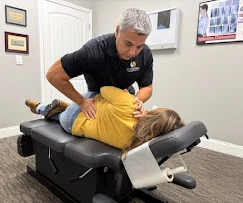
Gentle tests of spinal flexibility, curvature and pressure points, plus a look at muscle balance on each side.
Your Results, Explained
You see what was found and how it connects to how you feel day to day.
Next Steps
If care would help, you get a plan. If small changes are enough, you get those instead.
Who It Is For
Who a Screening Suits
Almost anyone can benefit, whether you already hurt or simply want to keep your spine healthy.
Often a good fit
- Office workers who sit for long hours and feel stiff or tired
- Soldiers who carry heavy gear or train hard
- Athletes who want better balance and fewer injuries
- Students and teens forming posture habits
- Seniors keeping strength, stability and mobility
- Anyone with slouching, uneven shoulders, frequent headaches or neck stiffness
Worth knowing
- A screening finds problems; it does not fix them on its own
- Some cases call for imaging, which Dr. Curtis will recommend if needed
If you have noticed recurring back pain, tension or uneven shoulders, a screening is a sensible place to start.
Conditions
What a Screening Often Uncovers
Poor posture shows up in many ways. These are the problems screenings most often help explain.
Often Paired With
What Usually Follows a Screening
Questions
Screening Questions, Answered
Why are spinal and postural screenings important?
They help catch early spinal problems that can lead to neck pain, back pain, headaches, poor posture, muscle tension and reduced mobility.
What are the signs I may need one?
Slouching, uneven shoulders, frequent headaches, neck stiffness, back pain, muscle fatigue and discomfort from sitting or standing for long periods.
How long does a screening take?
Most are quick. The exact time depends on your condition and what needs to be evaluated.
Is it painful?
No. Screenings are safe, gentle and non-invasive assessments of posture, alignment and movement.
Are screenings useful for seniors?
Yes. A posture evaluation can help seniors keep balance, mobility, flexibility and spinal function as they age.