
Treatment
Spinal Decompression in Clarksville
A gentle, computerized stretch that takes pressure off compressed discs and nerves, without surgery or injections. For herniated and bulging discs, sciatica and long-running back or neck pain.
- Non-surgical and non-invasiveA controlled stretch on a specialized table
- Several sessions a weekFor several weeks, set by your condition
- Exam firstDr. Curtis decides if you are a candidate
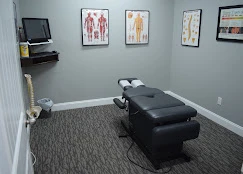
How It Works
Making Room Between the Vertebrae
Decompression uses a slow, measured pull rather than a quick adjustment. The stretch is small and controlled, and it is set for your spine and your diagnosis.
Controlled Stretch
The table applies a gentle, computerized pull along the spine while you lie still and comfortable.
Negative Pressure in the Disc
The stretch creates space between the vertebrae, which lowers pressure inside the disc.
Fluids and Nutrients Move In
Lower pressure encourages fluid and nutrients back into the disc, supporting the body’s own repair.
Less Pressure on the Nerve
With more room, a bulging or herniated disc presses less on nearby nerves, which can ease pain in the back, neck, arms and legs.
Inside a Session
What a Decompression Session Looks Like
Most patients find the sessions relaxing. Here is the order of things, from the first consultation to the stretch itself.
Consultation and Exam
Dr. Curtis reviews your medical history and examines your spine. He may request imaging if it is needed to see the disc clearly.
A Plan for Your Spine
If decompression fits, the settings and number of visits are planned around your diagnosis and your life.
On the Table
You lie comfortably on a specialized table while it applies a slow, controlled stretch. Most people feel little or no discomfort.
Progress Checks
Your progress is watched closely, and the plan is adjusted as your pain and flexibility change.
Care That Holds
Decompression is often paired with adjustments, exercise and habit changes, which help the results last.
Is It Right for You
Who Decompression Suits
Decompression is built for pressure problems in the spine. An exam and a look at any imaging come first, and Dr. Curtis will tell you honestly whether you are a good candidate.
Often a good fit
- Herniated or bulging discs
- Sciatica or pain that runs down the leg
- Chronic neck or back pain
- Degenerative disc disease
- Posture problems that put stress on the spine
- People who tried physical therapy, medication, nerve ablation or injections without lasting relief
Talk it through first
- Severe conditions that may still need a surgical evaluation
- Anyone who has not had an exam yet: every plan starts with one
Decompression is a conservative option that may help some people avoid surgery. It is not a promise that surgery will never be needed.
Conditions
What Decompression Commonly Helps
Decompression is aimed at discs and the nerves they press on, so it shows up most in back, neck and radiating pain.
Often Paired With
Treatments That Work Alongside Decompression
Chiropractic Adjustments
Adjustments keep the joints of the spine moving well while the disc settles.
Learn moreCorrective Exercises
Core and supporting muscles help protect the disc once pressure eases.
Learn moreLifestyle and Nutrition Advice
Lifting, sitting and daily habits that keep new strain off the spine.
Learn more
Questions
Decompression Questions, Answered
How does spinal decompression work?
A specialized table stretches the spine in a slow, controlled way. That creates space between the vertebrae, which helps reduce nerve pressure, improve circulation to the disc and support natural healing.
Can it help sciatica?
It may. By easing pressure on the nerves in the lower back, decompression helps many patients with leg pain and mobility. Dr. Curtis checks first whether a disc is the cause.
Is spinal decompression safe?
It is considered a safe, non-invasive therapy when performed by a trained chiropractic professional. Your exam decides whether it is right for you.
Is it better than surgery?
It is a conservative option that may help some patients avoid surgery. Severe conditions may still need a surgical evaluation, and Dr. Curtis will tell you if yours does.
Find Out if Decompression Fits Your Spine
Call to book an exam. Bring any imaging you already have.